Platonov and Anton Chekhov's Proto-Grunge Philosophy Holly L. Derr
December 5, 2013
Before he shot himself in the head, Kurt Cobain wrote a suicide note in which he said, "I still can't get over the frustration, the guilt and empathy I have for everyone. There's good in all of us and I think I simply love people too much, so much that it makes me feel too fucking sad."
Before they do their own fair share of shooting, the characters in Anton Chekhov's unfinished play Platonov (1878), an early dramatic work written while he was a schoolboy, say much the same thing—at least they do in Jay Scheib's adaptation titled Platonov, or The Disinherited, which recently ran at the La Jolla Playhouse Without Walls Festival. Chekhov never saw a production of the play, but it has had several high-profile adaptations and productions in the last few decades and is occasionally even staged in its full four-hour glory. The author used elements from this early piece—a drunk doctor, the decline of an aristocratic estate, extramarital affairs, and revenge by gunfire—freely in his later works, lending any performance a sense of déjà vu: If you've seen any Chekhov, you've seen parts of Platonov.
Platonov begins with the dinner party of a young widow named Anna (Judy Bauerlein). Her stepson Sergey (Jon Morris); his wife Sonya (Natalie Thomas); Platonov, a country school teacher (Mikéah Ernest Jennings); his wife Sasha (Ayesha Jordan); her sister Nicole, a doctor (Virginia Newcomb); and wealthy investor Porfiry Glagoyev (Todd Blakesley), are her guests. Porfiry wants to sleep with Anna, Anna wants to sleep with Platonov, Platonov wants to sleep with Sonya, and Nicole just wants to get drunk. Anna’s servant Jacob (Laine Rettmer) spends most of the play attempting to manage the chaos that ensues, and when Porfiry fails to save Anna’s estate, Jacob manages to convert her sobriety into success by buying it herself.
Scheib's adaptation of the play, which freely alludes to its author's dramatic oeuvre, is post-modern because of the connections it makes to the world of rock and roll and specifically, grunge. Thankfully, these connections are not aesthetic but rather philosophical: Drugs, sex, alcohol, and even the sound of a guitar (played live) serve to amplify a Chekhovian worldview, but there is no plaid and all of the actors appear to have washed their hair.
Turns out, it's not much of a leap. The central characters in this play are at a turning point in their lives. They can't figure out how they got where they are. They are obsessed with whether it is too late to change course, and convinced that their potential has gone to waste, are rededicating themselves to living fully and in excess. They will woo whom they want, screw whom they want, drink and do coke as much as they want, and not apologize for it. They are living the spirit of punk as defined by Cobain himself: "Punk is musical freedom. It's saying, doing and playing what you want."
Though some points of connection—Sonya's tuberculosis might remind hardcore Cobain fans of his chronic bronchitis and Chekhov fans of his death from the same disease—are too esoteric for the average audience member, they are not incidental, nor are they a "concept" in which the director simply lays one world down on top of another. The marriage of Chekhov's world with Cobain's works because at the center of both is an overwhelming sense of capital-A Alienation.
Platonov's Porfiry Glagoyev like Cobain, suffers from an "ability to feel [that] is too great to ever possibly endure." In fact it makes him "so fucking sad" that he has a heart attack. Porfiry, who is slightly older than the other characters, sees civilization's downfall in our ever-increasing demand, to paraphrase Smells Like Teen Spirit, that someone better entertain us because we are here now:
Today there’s there’s just this pathetic little desire to get what you want and be gratified somehow. But Nobody really sacrifices for real anything really. Nobody feels really within a frame of real feeling and so no one dares to really love and feel real even real fucking and that really feeling loved hard sideways feeling. You know?
The characters in Platonov are alienated from their jobs (the doctor drinks too much to preserve anyone's health) and economic situations (the widowed Anna does nothing to prevent her estate being sold out from under her). They are alienated both from their pasts (Platonov, now a mere schoolteacher, was once a promising intellectual and artist) and their futures (Sonya settled for safety in her marriage but now cannot bear the boredom she foresees). They are alienated from their own feelings and use alcohol to try to get in touch with them, the result being the kind of selfish indulgence seen only in addicts and rock stars.
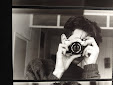
In the site-specific production of the WOW Festival, Schieb made the theme of alienation literal by limiting the audience's view of the performance. Neither the stage nor the seating was raked, making it difficult to see the live action for everyone except those in the first row. Scheib himself stood on stage with a camera which projected footage live to a screen that everyone could see. For some scenes, the actors went inside a room with only a small window and the audience could see only that at which Scheib pointed the camera. The result was reminiscent of the voyeurism of reality TV, in which the audience watches something presumably private being made [selectively] public.
Platonov Jay Scheib Anton Chekhov adaptation HowlRoundAs with reality TV, the camera's control over the narrative complicates the question of authorship, a question that mirrors not just the seeming post-structuralism of the piece but also the existential debate at the heart of the drama. Just as the audience wonders whether these are Chekhov's characters or Scheib's and imagines what's happening that we can't see, the characters ponder whether following one's passions is even possible or whether the endings to their stories have already been written.
I wish the use of the camera and the obstructed views had evolved as the story unfolded—as it was, the frustration of not being able to see the live action eventually overshadowed my interest in the experience. However, though actual emotional connection to the characters was inhibited by the verfremdungseffekt, close-ups of people enduring both pain and ecstasy did ensure that the audience's experience was as visceral as it is upon hearing the music of Kurt Cobain, whose sound Rolling Stone described as "a grenade detonating in your car radio."
In this adaptation, the titular character of Platonov is one of the least interesting. Though most of the other characters are in love with him, I was never quite sure why. The most interesting character is Jacob: in Chekhov a male servant, in Scheib's version a lesbian who rose to fame as an opinion-maker but managed to drink away her fortune. Jacob shared Cobain's inability to manage success, but unlike Cobain, her suicide attempt failed and at the beginning of the play, she is sober and putting the pieces of her life back together, working whatever jobs she can to pay the bills. In true Chekhovian fashion, by the end of the play she is the owner of an estate that its aristocratic owners mismanaged into bankruptcy.
It's not the sort of ending that makes one feel that everything is going to be all right for everyone, but it's a better ending than Cobain saw. Scheib's Platonov, therefore, leaves open the possibility of recovery—of a life lived fully but without dependence on substances to feel and to really live. Cobain himself said, "Drugs are a waste of time. They destroy your memory and your self-respect and everything that goes along with your self esteem,” but he never stopped struggling with addiction. Perhaps Jacob has more in common with Cobain's wife Courtney Love, who said of herself, "I'm a survivor. At least that's what everyone tells me.
- See more
maandag 24 maart 2014
trailer platonov - tsjechov
Münchner Kammerspiele 2009

dinsdag 18 maart 2014
anton tsjechov - biografie
[Taganrog (R) 1860 - Badenweiler (D) 1904]
Anton Pavlovic Tsjechov werd geboren in het zuiden van Rusland als zoon van een kleinhandelaar , die hem streng en vroom grootbracht. Toen het winkeltje failliet ging, vluchtte de vader naar Moskou; Anton ging in Moskou geneeskunde studeren en moest zijn familie onderhouden. Dit deed hij door kleine stukjes te schrijven voor humoristische tijdschriften. Tsjechov wijdde zich meer aan de literatuur dan aan zijn dokterspraktijk, maar zijn beroep zal hem wel geholpen hebben bij het stellen van nuchtere diagnoses in zijn literaire werk. Kort vóór 1890 ontstonden Tsjechovs eerste grote verhalen, waarvan 'De steppe' het belangrijkste is.
In 1890 besluit Tsjechov het gevangeneneiland Sachalin te bezoeken; hier legde hij omvangrijk statistisch materiaal over dwangarbeiders en bannelingen aan (10.000 kaarten). Dit resulteerde in de documentaire studie Ostrov Sachalin (De reis naar Sachalin, 1895 in boekvorm), een objectief historisch document, dat de Russische samenleving verbijsterde en dat tot geringe hervormingen heeft geleid. Deze reis naar Ruslands gevangenishel wakkerde Tjechovs belangstelling voor sociale problemen aan. Na zijn reis koopt hij ten zuiden van Moskou een landhuis waar hij samen met zijn familie gedurende de jaren '90 heeft gewoond. Hier kan hij het leven op het platteland observeren en sociale activiteit aan de dag leggen (gratis medische behandeling van de boeren, strijd tegen cholera, bouw van dorpsscholen). Hier schrijft Tsjechov veel van zijn rijpste verhalen. Het boerenleven beeldt hij nuchter uit in Muziki (De boeren, 1897), Novaja daca (De nieuwe villa) en V ovrage (In het ravijn). Hier schrijft hij zijn eerste drama Cajka (De meeuw), dat in 1896 wordt opgevoerd in Sint-Petersburg en een flop wordt, maar succes kent in het Moskouse Kunsttheater. Dit leidde tot vruchtbare samenwerking met dit theater, ook voor de stukken Djadja Vanja (Oom Wanja, 1900), Tri sestry (Drie zusters, 1901) en Visnëvyj sad (De kersentuin, 1904). In 1901 trouwde Tsjechov met een van de vertolksters van zijn stukken Olga Knipper .
Tsjechov deelde de illusies van de populisten niet, ook niet de visie van de liberalen op 'de kleine daden', en evenmin Tolstojs leer van de zelfvervolmaking. Hij koesterde sympathie voor de studentenbeweging, stond aan de zijde van Dreyfus en diens verdediger Zola, en sloot vriendschap met Gorkij en Lev Tolstoj; Tolstoj leerde hij kennen in de Krim, waar Tsjechov in verband met zijn slechte gezondheid (tbc) een landhuis (in Jalta) had gebouwd. In 1902 protesteerde Tsjechov samen met Korolenko tegen de uitsluiting van Gorkij uit de Academie.
De revolutie van 1905 heeft Tsjechov niet meer meegemaakt. Hij stierf in Badenweiler, een kuuroord in het Zwarte Woud, en hij werd begraven in Moskou.
Tsjechov schreef meer dan 400 korte verhalen, zo'n 70 grotere, een dozijn eenakters en drama's en een 8 delen tellende correspondentie.
Anton Pavlovic Tsjechov werd geboren in het zuiden van Rusland als zoon van een kleinhandelaar , die hem streng en vroom grootbracht. Toen het winkeltje failliet ging, vluchtte de vader naar Moskou; Anton ging in Moskou geneeskunde studeren en moest zijn familie onderhouden. Dit deed hij door kleine stukjes te schrijven voor humoristische tijdschriften. Tsjechov wijdde zich meer aan de literatuur dan aan zijn dokterspraktijk, maar zijn beroep zal hem wel geholpen hebben bij het stellen van nuchtere diagnoses in zijn literaire werk. Kort vóór 1890 ontstonden Tsjechovs eerste grote verhalen, waarvan 'De steppe' het belangrijkste is.
In 1890 besluit Tsjechov het gevangeneneiland Sachalin te bezoeken; hier legde hij omvangrijk statistisch materiaal over dwangarbeiders en bannelingen aan (10.000 kaarten). Dit resulteerde in de documentaire studie Ostrov Sachalin (De reis naar Sachalin, 1895 in boekvorm), een objectief historisch document, dat de Russische samenleving verbijsterde en dat tot geringe hervormingen heeft geleid. Deze reis naar Ruslands gevangenishel wakkerde Tjechovs belangstelling voor sociale problemen aan. Na zijn reis koopt hij ten zuiden van Moskou een landhuis waar hij samen met zijn familie gedurende de jaren '90 heeft gewoond. Hier kan hij het leven op het platteland observeren en sociale activiteit aan de dag leggen (gratis medische behandeling van de boeren, strijd tegen cholera, bouw van dorpsscholen). Hier schrijft Tsjechov veel van zijn rijpste verhalen. Het boerenleven beeldt hij nuchter uit in Muziki (De boeren, 1897), Novaja daca (De nieuwe villa) en V ovrage (In het ravijn). Hier schrijft hij zijn eerste drama Cajka (De meeuw), dat in 1896 wordt opgevoerd in Sint-Petersburg en een flop wordt, maar succes kent in het Moskouse Kunsttheater. Dit leidde tot vruchtbare samenwerking met dit theater, ook voor de stukken Djadja Vanja (Oom Wanja, 1900), Tri sestry (Drie zusters, 1901) en Visnëvyj sad (De kersentuin, 1904). In 1901 trouwde Tsjechov met een van de vertolksters van zijn stukken Olga Knipper .
Tsjechov deelde de illusies van de populisten niet, ook niet de visie van de liberalen op 'de kleine daden', en evenmin Tolstojs leer van de zelfvervolmaking. Hij koesterde sympathie voor de studentenbeweging, stond aan de zijde van Dreyfus en diens verdediger Zola, en sloot vriendschap met Gorkij en Lev Tolstoj; Tolstoj leerde hij kennen in de Krim, waar Tsjechov in verband met zijn slechte gezondheid (tbc) een landhuis (in Jalta) had gebouwd. In 1902 protesteerde Tsjechov samen met Korolenko tegen de uitsluiting van Gorkij uit de Academie.
De revolutie van 1905 heeft Tsjechov niet meer meegemaakt. Hij stierf in Badenweiler, een kuuroord in het Zwarte Woud, en hij werd begraven in Moskou.
Tsjechov schreef meer dan 400 korte verhalen, zo'n 70 grotere, een dozijn eenakters en drama's en een 8 delen tellende correspondentie.
woensdag 12 maart 2014
johan simons' kritiek op de kritiek
Een botte kaakslag
Het Nederlandse discours over kunst is vergiftigd - zeker in vergelijking met Duitsland. En gaan kunstcritici hieraan ook mee doen, dan zal kunst in Nederland in geen tijd uitsterven, waarschuwt Johan Simons.
Door Johan Simons ZATERDAG 22 FEBRUARI 2014
‘Drama ontbreekt in duffe Dantons dood’. Dat stond vorige week boven de recensie in deze krant van mijn voorstelling van Georg Büchner bij Toneelgroep Amsterdam. Van de vijf sterren kreeg ik er eentje. Wat volgde was een kritiek die ik als zeer onrustwekkend heb ervaren. Deze tekst schrijf ik als reactie daarop, omdat ik vind dat ik mijn stem moet laten horen.
Ik geef er niet om of een recensie een positief of negatief oordeel velt over een voorstelling van me, echt niet. Ik ben 67 jaar oud, heb honderden voorstellingen gemaakt, mijn reet zit inmiddels vol met veren en ik werd al even vaak met pek besmeurd en de stad uitgejaagd. Ik zou mijn hele huis twee keer van vloer tot plafond kunnen behangen: een keer met slechte recensies, en een keer met goede. Een rotrecensie meer of minder maakt me echt niet uit. Critici kan ik zelfs zeer waarderen. Ik ben altijd op zoek naar feedback en kritiek, tijdens repetities, tijdens vergaderingen, kritiek houdt me wakker, ze inspireert me, als het tenminste gefundeerde, intelligente kritiek is die vertrekt vanuit een respect voor waar ik me vol hartstocht voor inzet: kunst en kunstenaars.
Büchner, een maatschappelijk revolutionair en een literair avant-gardist, was een absoluut supertalent, hij is een van mijn favoriete schrijvers. Voor mij staat hij naast Sarah Kane, Pier Paolo Pasolini en Elfriede Jelinek. Net zoals Sarah Kane, die hem trouwens zeer bewonderde, stierf Büchner nog voor hij dertig werd. Dat de recensie in deze krant opende met de vraag „Wat bezielt regisseurs om Dantons dood op te voeren?”, ervaar ik als een kaakslag. Wat een domme, arrogante vraag. „De achilleshiel van dit belerende stuk is het ontbreken van echte dialogen”, zo analyseert de recensent. Nou, dan kan je wel de helft van de theaterliteratuur weg sodemieteren, als alleen ‘echte’ dialogen mogen klinken. Kane, Pasolini en Jelinek kunnen dan als eersten de prullemand in.
De verwachting wordt gewekt dat op het toneel alleen maar een taal mag klinken die er vlotjes ingaat, een taal zonder weerhaken die niet teveel aandacht op zichzelf vestigt, een bevestigende, geruststellende taal. Maar Büchner stelt niet gerust. Büchner stelt lastige vragen. Dantons dood is een van de weinige stukken die steeds opnieuw, en dat al sinds bijna 200 jaar, de maat van onze tijd nemen. Wat is het dat in ons liegt, hoereert, steelt en moordt? is een vraag die vandaag nog net zo relevant is als in 1835.
„Wie theater zonder dialogen wil zien, kan net zo goed een tandartsencongres bijwonen”, stond er ook. Triest vind ik zo’n populistische vergelijking. Beledigend voor theatermakers en tandartsen. Dankzij dit soort bittere beeldspraak zijn partijen als de PVV erin geslaagd het discours over kunst in Nederland verregaand te vergiftigen. Als kunstcritici hieraan mee gaan doen, zal kunst in Nederland in geen tijd uitsterven. Voor die voorspelling steek ik mijn hand in het vuur. We zijn nu al een bedreigde diersoort. Want zeg nou, dan zijn de fuga’s van Bach toch niets meer voor vandaag de dag! Of het Quatuor pour la fin du temps van Messiaen, waarom zou je dat nog opvoeren? Er zijn geen beats te horen, de melodie is grillig en onvoorspelbaar, je kan er geen musical op baseren, bovendien speelt André Rieu ze niet op zijn concerten.
Vanuit de ervaring die ik de afgelopen jaren als intendant van de Münchner Kammerspiele heb opgedaan, wil ik een vergelijking maken met de kunstkritiek in Duitsland. Ik weet het, de Nederlandse pers werkt in totaal andere omstandigheden dan de Duitse pers. Duitse kranten bedienen een veel groter lezerspubliek dan Nederlandse, wat veel meer financiële middelen ontsluit. Er zijn meer vaste redactieleden en medewerkers voor kunst en cultuur, er is meer plaats in de krant. Dat klopt. Maar er speelt ook iets anders mee. Kunst speelt in het collectieve bewustzijn van de Duitsers een rol van centrale betekenis. In de Süddeutsche Zeitung, een van de beste kranten in Duitsland, komt de kunstbijlage, het ‘Feuilleton’, als tweede katern, meteen na het hoofdnieuws. Die bijlage bevat overigens geen sensatieberichten over Canadese kindsterretjes, societynieuws uit Hollywood of nieuwe mediahypes, daarvoor zijn er aparte, gespecialiseerde pagina’s. Nee, ze staat barstensvol uitstekend geschreven analyses van auteurs met kennis van zaken en een eigenzinnige, herkenbare stem. Journalisten vragen ter voorbereiding tekstbewerkingen op, verdiepen zich in de opvoeringstraditie van een stuk, ze zijn liefdevol en kritisch tegelijkertijd – net zoals sommige gewaardeerde Nederlandse critici dat uiteraard ook zijn. Oostenrijkse kranten plaatsen zelfs geregeld recensies van belangrijke voorstellingen op de voorpagina – zoiets is in Nederland ondenkbaar, maar hoe geweldig zou het zijn! Wat een rebellie tegen vervlakking, wat een eigenzinnigheid, wat een trots!
Tekenend en grondslaggevend voor de bijzondere positie van de kunst in Duitsland is uiteraard dat de politici van de grote partijen, zowel die van de centrum-rechtse christen-democraten als die van de socialisten, kunst en cultuur tot speerpunten van hun beleid maken. Ze steunen kunstinstituten op een onvoorwaardelijke manier. Ze houden bevlogen toespraken op vernissages en festivals. Anders is het in Nederland: hier zijn kunstenaars en kunstliefhebbers belastingprofiteurs, linkse hobbyisten, subsidiejunks.
Elk jaar moet ik als intendant in München mijn plannen eerst aan de politiek voorleggen, alvorens ik er mee naar de pers ga en voordat ik ze aan het gezelschap voorleg. Onze seizoensbrochure wordt pas verdeeld nadat het stadsbestuur weet wat we gaan doen. Dat wil niet zeggen dat de politiek mij dicteert welke stukken we spelen. Het wil wel zeggen dat ik me bij de vertegenwoordigers van het volk moet verantwoorden waarom ons repertoire relevant is voor deze tijd en deze plaats. Dat we daarbij kiezen voor een repertoire dat behalve liefdevol en troostrijk soms ook risicovol, ijskoud, demonisch, onherbergzaam is, vormt absoluut geen probleem, zolang het maar van een reflectie op de mens en de samenleving getuigt. Bij die verantwoording zou ik niet graag te maken krijgen met een vrije markteconomie die in de Nederlandse kunstpolitiek (en uiteraard ook elders) meer en meer als maat voor alle dingen geldt, ook voor wat eigenlijk alleen maar dankzij subsidies kan overleven. De afnemer zou in dat geval alleen maar ‘liefdevol en troostrijk’ als relevant criterium beschouwen, want dat is gemakkelijk te verkopen. Het onherbergzame zou geen kans meer krijgen. Het demonische zou in de etalage blijven liggen. Het ijskoude zou verdwijnen: alles op kamertemperatuur. Lange voorstellingen? Weg ermee. De zaal niet meteen vol? Stekker eruit. Geen dialogen? Loop toch naar het tandartsencongres.
Ik probeer het geloof te bewaren aan de utopie waarin kunst een gewaardeerde rol speelt in een gelaagde maatschappij. Daarin is plaats voor cultuur, die ontstaat vanuit de gemeenschap en een breed en groot publiek aanspreekt. Daarin is ook plaats voor kunst, die elitair is en rustig elitair mag zijn, en die moet ondersteund worden vanuit de politiek – als die tenminste een ambitieus maatschappelijk model koestert. Een samenleving heeft vele elites nodig: politieke, wetenschappelijke, medische, filosofische, artistieke specialisten. Die houden het niveau hoog, die helpen ons allemaal vooruit, daar heeft iedereen iets aan.
Kunst is cruciaal: ze spoort aan tot fantasie en reflectie, ze biedt denkmodellen voor de toekomst en graaft daartoe diep in waardevolle herinneringen en erfenissen uit het verleden, zoals het spaarzaam nagelaten werk van Georg Büchner, het wonderkind dat over het slechte in de mens en over de humanistische revolutie schreef.
Door Johan Simons ZATERDAG 22 FEBRUARI 2014
‘Drama ontbreekt in duffe Dantons dood’. Dat stond vorige week boven de recensie in deze krant van mijn voorstelling van Georg Büchner bij Toneelgroep Amsterdam. Van de vijf sterren kreeg ik er eentje. Wat volgde was een kritiek die ik als zeer onrustwekkend heb ervaren. Deze tekst schrijf ik als reactie daarop, omdat ik vind dat ik mijn stem moet laten horen.
Ik geef er niet om of een recensie een positief of negatief oordeel velt over een voorstelling van me, echt niet. Ik ben 67 jaar oud, heb honderden voorstellingen gemaakt, mijn reet zit inmiddels vol met veren en ik werd al even vaak met pek besmeurd en de stad uitgejaagd. Ik zou mijn hele huis twee keer van vloer tot plafond kunnen behangen: een keer met slechte recensies, en een keer met goede. Een rotrecensie meer of minder maakt me echt niet uit. Critici kan ik zelfs zeer waarderen. Ik ben altijd op zoek naar feedback en kritiek, tijdens repetities, tijdens vergaderingen, kritiek houdt me wakker, ze inspireert me, als het tenminste gefundeerde, intelligente kritiek is die vertrekt vanuit een respect voor waar ik me vol hartstocht voor inzet: kunst en kunstenaars.
Büchner, een maatschappelijk revolutionair en een literair avant-gardist, was een absoluut supertalent, hij is een van mijn favoriete schrijvers. Voor mij staat hij naast Sarah Kane, Pier Paolo Pasolini en Elfriede Jelinek. Net zoals Sarah Kane, die hem trouwens zeer bewonderde, stierf Büchner nog voor hij dertig werd. Dat de recensie in deze krant opende met de vraag „Wat bezielt regisseurs om Dantons dood op te voeren?”, ervaar ik als een kaakslag. Wat een domme, arrogante vraag. „De achilleshiel van dit belerende stuk is het ontbreken van echte dialogen”, zo analyseert de recensent. Nou, dan kan je wel de helft van de theaterliteratuur weg sodemieteren, als alleen ‘echte’ dialogen mogen klinken. Kane, Pasolini en Jelinek kunnen dan als eersten de prullemand in.
De verwachting wordt gewekt dat op het toneel alleen maar een taal mag klinken die er vlotjes ingaat, een taal zonder weerhaken die niet teveel aandacht op zichzelf vestigt, een bevestigende, geruststellende taal. Maar Büchner stelt niet gerust. Büchner stelt lastige vragen. Dantons dood is een van de weinige stukken die steeds opnieuw, en dat al sinds bijna 200 jaar, de maat van onze tijd nemen. Wat is het dat in ons liegt, hoereert, steelt en moordt? is een vraag die vandaag nog net zo relevant is als in 1835.
„Wie theater zonder dialogen wil zien, kan net zo goed een tandartsencongres bijwonen”, stond er ook. Triest vind ik zo’n populistische vergelijking. Beledigend voor theatermakers en tandartsen. Dankzij dit soort bittere beeldspraak zijn partijen als de PVV erin geslaagd het discours over kunst in Nederland verregaand te vergiftigen. Als kunstcritici hieraan mee gaan doen, zal kunst in Nederland in geen tijd uitsterven. Voor die voorspelling steek ik mijn hand in het vuur. We zijn nu al een bedreigde diersoort. Want zeg nou, dan zijn de fuga’s van Bach toch niets meer voor vandaag de dag! Of het Quatuor pour la fin du temps van Messiaen, waarom zou je dat nog opvoeren? Er zijn geen beats te horen, de melodie is grillig en onvoorspelbaar, je kan er geen musical op baseren, bovendien speelt André Rieu ze niet op zijn concerten.
Vanuit de ervaring die ik de afgelopen jaren als intendant van de Münchner Kammerspiele heb opgedaan, wil ik een vergelijking maken met de kunstkritiek in Duitsland. Ik weet het, de Nederlandse pers werkt in totaal andere omstandigheden dan de Duitse pers. Duitse kranten bedienen een veel groter lezerspubliek dan Nederlandse, wat veel meer financiële middelen ontsluit. Er zijn meer vaste redactieleden en medewerkers voor kunst en cultuur, er is meer plaats in de krant. Dat klopt. Maar er speelt ook iets anders mee. Kunst speelt in het collectieve bewustzijn van de Duitsers een rol van centrale betekenis. In de Süddeutsche Zeitung, een van de beste kranten in Duitsland, komt de kunstbijlage, het ‘Feuilleton’, als tweede katern, meteen na het hoofdnieuws. Die bijlage bevat overigens geen sensatieberichten over Canadese kindsterretjes, societynieuws uit Hollywood of nieuwe mediahypes, daarvoor zijn er aparte, gespecialiseerde pagina’s. Nee, ze staat barstensvol uitstekend geschreven analyses van auteurs met kennis van zaken en een eigenzinnige, herkenbare stem. Journalisten vragen ter voorbereiding tekstbewerkingen op, verdiepen zich in de opvoeringstraditie van een stuk, ze zijn liefdevol en kritisch tegelijkertijd – net zoals sommige gewaardeerde Nederlandse critici dat uiteraard ook zijn. Oostenrijkse kranten plaatsen zelfs geregeld recensies van belangrijke voorstellingen op de voorpagina – zoiets is in Nederland ondenkbaar, maar hoe geweldig zou het zijn! Wat een rebellie tegen vervlakking, wat een eigenzinnigheid, wat een trots!
Tekenend en grondslaggevend voor de bijzondere positie van de kunst in Duitsland is uiteraard dat de politici van de grote partijen, zowel die van de centrum-rechtse christen-democraten als die van de socialisten, kunst en cultuur tot speerpunten van hun beleid maken. Ze steunen kunstinstituten op een onvoorwaardelijke manier. Ze houden bevlogen toespraken op vernissages en festivals. Anders is het in Nederland: hier zijn kunstenaars en kunstliefhebbers belastingprofiteurs, linkse hobbyisten, subsidiejunks.
Elk jaar moet ik als intendant in München mijn plannen eerst aan de politiek voorleggen, alvorens ik er mee naar de pers ga en voordat ik ze aan het gezelschap voorleg. Onze seizoensbrochure wordt pas verdeeld nadat het stadsbestuur weet wat we gaan doen. Dat wil niet zeggen dat de politiek mij dicteert welke stukken we spelen. Het wil wel zeggen dat ik me bij de vertegenwoordigers van het volk moet verantwoorden waarom ons repertoire relevant is voor deze tijd en deze plaats. Dat we daarbij kiezen voor een repertoire dat behalve liefdevol en troostrijk soms ook risicovol, ijskoud, demonisch, onherbergzaam is, vormt absoluut geen probleem, zolang het maar van een reflectie op de mens en de samenleving getuigt. Bij die verantwoording zou ik niet graag te maken krijgen met een vrije markteconomie die in de Nederlandse kunstpolitiek (en uiteraard ook elders) meer en meer als maat voor alle dingen geldt, ook voor wat eigenlijk alleen maar dankzij subsidies kan overleven. De afnemer zou in dat geval alleen maar ‘liefdevol en troostrijk’ als relevant criterium beschouwen, want dat is gemakkelijk te verkopen. Het onherbergzame zou geen kans meer krijgen. Het demonische zou in de etalage blijven liggen. Het ijskoude zou verdwijnen: alles op kamertemperatuur. Lange voorstellingen? Weg ermee. De zaal niet meteen vol? Stekker eruit. Geen dialogen? Loop toch naar het tandartsencongres.
Ik probeer het geloof te bewaren aan de utopie waarin kunst een gewaardeerde rol speelt in een gelaagde maatschappij. Daarin is plaats voor cultuur, die ontstaat vanuit de gemeenschap en een breed en groot publiek aanspreekt. Daarin is ook plaats voor kunst, die elitair is en rustig elitair mag zijn, en die moet ondersteund worden vanuit de politiek – als die tenminste een ambitieus maatschappelijk model koestert. Een samenleving heeft vele elites nodig: politieke, wetenschappelijke, medische, filosofische, artistieke specialisten. Die houden het niveau hoog, die helpen ons allemaal vooruit, daar heeft iedereen iets aan.
Kunst is cruciaal: ze spoort aan tot fantasie en reflectie, ze biedt denkmodellen voor de toekomst en graaft daartoe diep in waardevolle herinneringen en erfenissen uit het verleden, zoals het spaarzaam nagelaten werk van Georg Büchner, het wonderkind dat over het slechte in de mens en over de humanistische revolutie schreef.
zaterdag 8 maart 2014
samenvatting woyzeck - georg büchner
Woyzeck is the tragic tale of a military barber named Woyzeck, who stabs to death his beloved common-law wife, Marie, for her infidelity. We first encounter Woyzeck with his friend, Andres, in an open field outside the town. Woyzeck is having violent, apocalyptic visions and thinks that he hears voices, while Andres sees and hears nothing unusual. Next, we meet Marie. She is sitting with her child by the window, watching the military marching band go by and admiring the Drum-Major. Woyzeck arrives to give Marie money and tells her about his latest hallucinations. The next day, Woyzeck and Marie visit a fair where they are drawn into a Showman's booth. The Drum-Major spies Marie and is attracted to her instantly. He and the Sergeant follow Marie and Woyzeck into the booth, where the Showman conducts a spectacle with a dancing monkey and an "astronomical horse," all the while making jokes at mankind's expense. The Sergeant helps Marie into the front row for a better view.
Some days later, Marie sits with her child on her lap, admiring a pair of gold earrings that the Drum-Major gave her. When Woyzeck arrives, she lies and says that she found them. After he leaves, she scolds herself for being a "no-good tart," but then decides that she is no more immoral than anyone else. Our focus switches to Woyzeck, who is shaving the Officer. The latter mocks him egotistically, telling him he has no morals or virtue. Woyzeck defends himself by saying that he would be moral and virtuous if he were not so poor. Meanwhile, Marie and the Drum-Major meet in secret. The sexual tension between them is explosive and it is implied that they gratify their sexual urges. At the Doctor's office, the Doctor scolds Woyzeck for urinating in the street, since he could have used the urine for experimental tests. He is studying the effects of a peas-only diet on Woyzeck's physical and mental health. The Doctor is delighted by Woyzeck's descriptions of his increasingly tormented hallucinations, and gives him a monetary bonus.
Presumably some days later, we find the Officer visiting the Doctor. The two men exchange playful jabs before Woyzeck arrives. The Officer tells Woyzeck of Marie and the Drum-Major's affair. Woyzeck confronts Marie, who becomes defensive and dodges his accusations. In the next scene, we find the Doctor presenting Woyzeck to his students as an experimental subject. He refers to Woyzeck in the manner one might refer to a lab rat or guinea pig. Back in the guardroom, Woyzeck begins to feel very hot and tries to share his increasing mental torment with Andres, who calls him a "bloody fool." When Woyzeck joins the other soldiers at the inn, he sees Marie and the Drum-Major dancing and becomes enraged. We next find him alone in an open field. He hears voices mimicking the rhythm of the dance that tell him to stab Marie to death. That night, the voices keep Woyzeck awake.
The next day in the barrack square, Andres recounts the Drum-Major's chauvinistic comments about Marie, and Woyzeck hurries off to the inn. There, he whistles insubordinately at the Drum-Major, who beats him up and leaves him bleeding. In the next scene, he buys a knife from a Jew, who jokes that he is buying himself an "economical death." Our attention then turns to Marie at home, flipping frantically through the Bible. Her guilt has caught up with her, and she wishes to be absolved of her sin like the adultress who was brought before Christ. Woyzeck has not been by to see her in two days. While Marie flips through the Bible, Woyzeck is at the barracks, rifling through his belongings. He reads from an official military document that states his birthday as the date of the Feast of the Annunciation.
In the next scene, Marie sits with Grandmother and a group of girls on the steps to her house. When they run out of songs, the Grandmother tells a 'black fairy tale' about an orphan boy who found life empty and was miserable and lonely for all eternity. Just as she finishes her story, Woyzeck arrives and leads Marie outside the town. When she tries to get away, he accuses and insults her, and then stabs her repeatedly before the sounds of townspeople approaching scare him away. Woyzeck goes to the inn, where he jeers at a dancing woman named Kathe. She ignores him until she notices the blood on his hands and causes a scene. Woyzeck's excuses as to how the blood got on his hands do not add up, and he is forced to flee to the crime scene in search of the knife. When he stumbles upon Marie's body, he coos to her, proud that he has absolved her of her "black" deed and made her "white" and pure again. He throws the knife in a pond and then, deciding it is not deep enough, wades in after it to throw it deeper.
After he washes the blood off his hands, Woyzeck returns to Marie's house to find his child in the care of the Idiot, Karl. When he tries to embrace his child, the latter screams and pushes him away. Woyzeck sends the Idiot and child away. In the play's last scene, a Policeman addresses various townspeople including the Doctor and a Judge. He says simply: "A good murder, a proper murder, a lovely murder, as lovely a murder as anyone could wish, we've not had a murder like this for years."
Some days later, Marie sits with her child on her lap, admiring a pair of gold earrings that the Drum-Major gave her. When Woyzeck arrives, she lies and says that she found them. After he leaves, she scolds herself for being a "no-good tart," but then decides that she is no more immoral than anyone else. Our focus switches to Woyzeck, who is shaving the Officer. The latter mocks him egotistically, telling him he has no morals or virtue. Woyzeck defends himself by saying that he would be moral and virtuous if he were not so poor. Meanwhile, Marie and the Drum-Major meet in secret. The sexual tension between them is explosive and it is implied that they gratify their sexual urges. At the Doctor's office, the Doctor scolds Woyzeck for urinating in the street, since he could have used the urine for experimental tests. He is studying the effects of a peas-only diet on Woyzeck's physical and mental health. The Doctor is delighted by Woyzeck's descriptions of his increasingly tormented hallucinations, and gives him a monetary bonus.
Presumably some days later, we find the Officer visiting the Doctor. The two men exchange playful jabs before Woyzeck arrives. The Officer tells Woyzeck of Marie and the Drum-Major's affair. Woyzeck confronts Marie, who becomes defensive and dodges his accusations. In the next scene, we find the Doctor presenting Woyzeck to his students as an experimental subject. He refers to Woyzeck in the manner one might refer to a lab rat or guinea pig. Back in the guardroom, Woyzeck begins to feel very hot and tries to share his increasing mental torment with Andres, who calls him a "bloody fool." When Woyzeck joins the other soldiers at the inn, he sees Marie and the Drum-Major dancing and becomes enraged. We next find him alone in an open field. He hears voices mimicking the rhythm of the dance that tell him to stab Marie to death. That night, the voices keep Woyzeck awake.
The next day in the barrack square, Andres recounts the Drum-Major's chauvinistic comments about Marie, and Woyzeck hurries off to the inn. There, he whistles insubordinately at the Drum-Major, who beats him up and leaves him bleeding. In the next scene, he buys a knife from a Jew, who jokes that he is buying himself an "economical death." Our attention then turns to Marie at home, flipping frantically through the Bible. Her guilt has caught up with her, and she wishes to be absolved of her sin like the adultress who was brought before Christ. Woyzeck has not been by to see her in two days. While Marie flips through the Bible, Woyzeck is at the barracks, rifling through his belongings. He reads from an official military document that states his birthday as the date of the Feast of the Annunciation.
In the next scene, Marie sits with Grandmother and a group of girls on the steps to her house. When they run out of songs, the Grandmother tells a 'black fairy tale' about an orphan boy who found life empty and was miserable and lonely for all eternity. Just as she finishes her story, Woyzeck arrives and leads Marie outside the town. When she tries to get away, he accuses and insults her, and then stabs her repeatedly before the sounds of townspeople approaching scare him away. Woyzeck goes to the inn, where he jeers at a dancing woman named Kathe. She ignores him until she notices the blood on his hands and causes a scene. Woyzeck's excuses as to how the blood got on his hands do not add up, and he is forced to flee to the crime scene in search of the knife. When he stumbles upon Marie's body, he coos to her, proud that he has absolved her of her "black" deed and made her "white" and pure again. He throws the knife in a pond and then, deciding it is not deep enough, wades in after it to throw it deeper.
After he washes the blood off his hands, Woyzeck returns to Marie's house to find his child in the care of the Idiot, Karl. When he tries to embrace his child, the latter screams and pushes him away. Woyzeck sends the Idiot and child away. In the play's last scene, a Policeman addresses various townspeople including the Doctor and a Judge. He says simply: "A good murder, a proper murder, a lovely murder, as lovely a murder as anyone could wish, we've not had a murder like this for years."
biografie georg büchner
Georg Buchner (pronounced Buechner) was born on October 17, 1813 in the small town of Goddelau, in Hessen, Germany. His father, a scientist and rationalist, primed him from an early age with a scientific approach to the world, which would later manifest itself in the sharp, realistic, and critical nature of his writing. Buchner grew up in a stable, pleasant household, though he eventually became unusually disillusioned and pessimistic in his literary style. He began his medical training at Strasbourg in 1831, where he became clandestinely engaged to Minna Jaegle, the daughter of a pastor. Two years later he transferred to Giessen, where he began to study philosophy and history. It was there that he became embroiled in his country's political arena, helping plot a conspiracy against the Hessian government. In an attempt to mobilize the peasantry, he published a famous revolutionary political tract, The Hessian Courtier.
Because of his radical political involvement, Buchner was eventually forced to flee Germany altogether for Zurich. After settling there, he relinquished his political fervor and developed a politically-disillusioned outlook that manifested itself deeply in his three plays, Danton's Death, Leonce and Lena, and especially his ultimate effort, Woyzeck. In addition to these, Buchner completed the introspective story, Lenz, and a play based on the life of the Venetian wit Pietro Arentino. Despite the short length of his literary career, Buchner contributed immeasurably to the dramatic canon and being considered "the inexhaustible source of modern drama," he never considered himself a playwright by profession.
While in Zurich, he was preparing to be a researcher and teacher at the university. As a writer, Buchner's influences included Shakespeare first and foremost, in addition to the young Goethe and writer Johann Michael Reinhold Lenz, on whose life story he based Lenz. Buchner did not identify himself with any of the literary movements of his time, save perhaps the Storm-and-Stress movement of the 1770s, but it is certain that he had no patience for Romanticism or any other trend that drew focus away from or made fantastical the raw nature of life. Considering his great love of Shakespeare, Buchner would have been glad to know that certain critics have compared Woyzeck to Hamlet in its melancholic outlook and the calculating, mumbling madness of its protagonist. After his early death, Buchner's scientific writings were quickly rendered obsolete by new discoveries, and his dramatic writings fell into obscurity until revived by the Naturalist Gerhart Hauptmann.
Although scholars have interpreted his works in the various contexts of their own interest and times, there is a common agreement that Buchner's work is so ahead of its time that it will always remain universal. He is said to have precipitated a wide and far-reaching array of literary movements including: "Naturalism, Social Realism, Psychological Irrationalism, Expressionism, and Existential Theatre." As Herbert Lindenberger phrases it, he is "perhaps the only German writer before our own [20th] century who speaks directly to our time without the need of mediation." Georg Buchner died of an undiagnosed fever, probably typhus, at the age of 23 on February 19, 1837.
Because of his radical political involvement, Buchner was eventually forced to flee Germany altogether for Zurich. After settling there, he relinquished his political fervor and developed a politically-disillusioned outlook that manifested itself deeply in his three plays, Danton's Death, Leonce and Lena, and especially his ultimate effort, Woyzeck. In addition to these, Buchner completed the introspective story, Lenz, and a play based on the life of the Venetian wit Pietro Arentino. Despite the short length of his literary career, Buchner contributed immeasurably to the dramatic canon and being considered "the inexhaustible source of modern drama," he never considered himself a playwright by profession.
While in Zurich, he was preparing to be a researcher and teacher at the university. As a writer, Buchner's influences included Shakespeare first and foremost, in addition to the young Goethe and writer Johann Michael Reinhold Lenz, on whose life story he based Lenz. Buchner did not identify himself with any of the literary movements of his time, save perhaps the Storm-and-Stress movement of the 1770s, but it is certain that he had no patience for Romanticism or any other trend that drew focus away from or made fantastical the raw nature of life. Considering his great love of Shakespeare, Buchner would have been glad to know that certain critics have compared Woyzeck to Hamlet in its melancholic outlook and the calculating, mumbling madness of its protagonist. After his early death, Buchner's scientific writings were quickly rendered obsolete by new discoveries, and his dramatic writings fell into obscurity until revived by the Naturalist Gerhart Hauptmann.
Although scholars have interpreted his works in the various contexts of their own interest and times, there is a common agreement that Buchner's work is so ahead of its time that it will always remain universal. He is said to have precipitated a wide and far-reaching array of literary movements including: "Naturalism, Social Realism, Psychological Irrationalism, Expressionism, and Existential Theatre." As Herbert Lindenberger phrases it, he is "perhaps the only German writer before our own [20th] century who speaks directly to our time without the need of mediation." Georg Buchner died of an undiagnosed fever, probably typhus, at the age of 23 on February 19, 1837.
woensdag 29 januari 2014
dinsdag 28 januari 2014
maandag 25 november 2013
Abonneren op:
Posts (Atom)

.jpg)